Revolutionizing STEM Education with Hydroponics Hydroponic gardening is making waves in the...
Helping educators build sustainable, engaging, and easy-to-manage indoor growing programs.
Indoor gardening has quickly evolved from a classroom novelty into a powerful educational tool. In 2026, indoor hydroponic gardens for schools are supporting everything from Next Generation Science Standards (NGSS) investigations and AI literacy to nutrition education, culinary arts, and career and technical education (CTE).
Yet despite growing interest, many school gardening programs struggle after the initial excitement fades. The reasons are rarely about the plants themselves—they're about sustainability. Staff turnover, inconsistent maintenance, limited classroom time, and unclear ownership often cause school gardens to become underutilized.
The good news? Modern hydroponic technology has made managing a school garden significantly easier than it was even a few years ago. By choosing the right classroom gardening systems, building simple routines, and integrating gardens into everyday instruction, schools can create programs that thrive year after year.
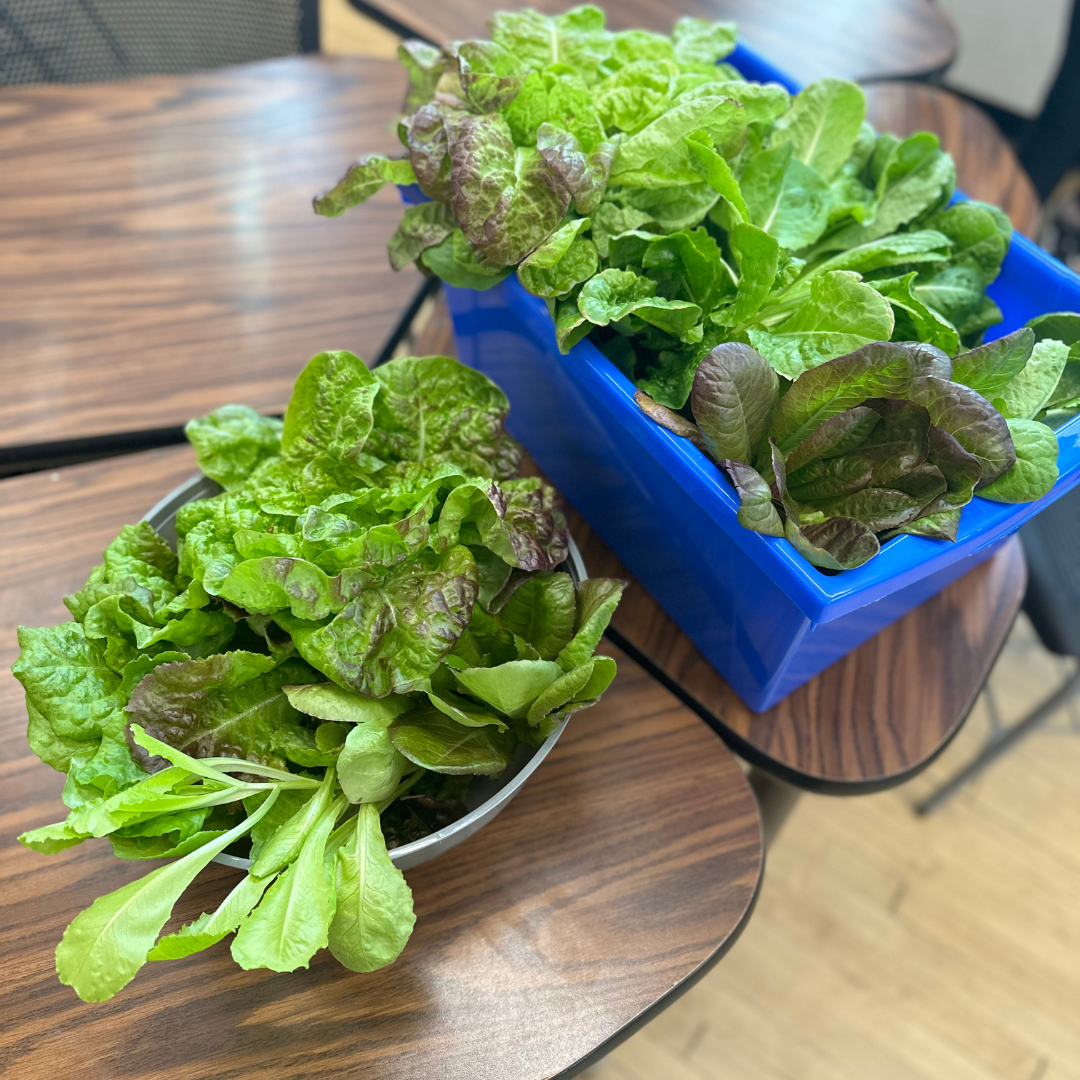
Why School Hydroponic Gardens Often Fail
Most unsuccessful school gardens have one thing in common: they depend too heavily on a single enthusiastic teacher. When that educator changes classrooms, retires, or simply gets overwhelmed, the garden often loses momentum.
Other common challenges include:
- Maintenance responsibilities aren't clearly assigned or are complicated steps.
- Gardens operate as standalone projects instead of curriculum tools.
- Students observe rather than actively participate.
- Produce isn't harvested or used consistently.
- Teachers lack confidence in maintaining the system.
These issues aren't unique to hydroponics—they're common across school garden programs. The difference is that today's connected indoor growing systems can eliminate many of these barriers through automation, AI assistance, and guided workflows.
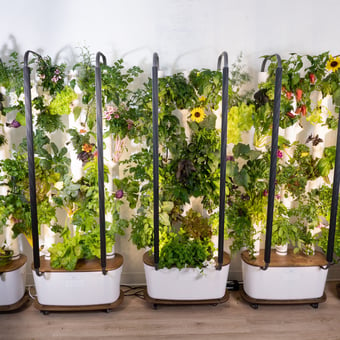
Start with the Right Indoor Hydroponic Garden
Not every hydroponic system is designed for education. When evaluating indoor hydroponic gardens for schools, look beyond the number of plants the system can grow. Instead, consider how well it supports long-term classroom success.
An effective educational system should provide:
- Automated lighting and watering
- Guided maintenance reminders
- Easy student access
- Compact classroom footprint
- Reliable year-round growing
- Food-safe growing materials
- Curriculum and educator resources
- Data students can analyze
The easier a system is to maintain, the more likely it becomes an everyday classroom tool rather than an occasional science project.
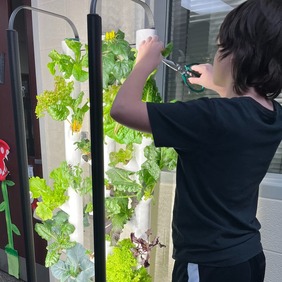
Build Maintenance Into Classroom Routines
One of the biggest misconceptions about hydroponics is that maintenance requires extensive gardening knowledge. In reality, successful classrooms treat garden care as a recurring student responsibility.
Simple weekly routines might include:
|
Daily |
Weekly |
|
Observe plant growth |
Add nutrients |
|
Record measurements |
Refill water reservoir |
|
Check root health |
Harvest mature plants |
|
Compare environmental conditions |
Clean growing surfaces |
|
Photograph progress |
Replant empty spaces |
These recurring activities naturally reinforce observation, scientific practices, responsibility, and teamwork while keeping the system healthy. Rather than becoming "extra work," maintenance becomes another learning opportunity.
Turn Every Harvest Into a STEM Investigation
The most successful STEM education projects don't stop at growing plants. Instead, they use the garden as a living laboratory.
Students can investigate questions like:
-
How does light intensity affect growth?
-
Which varieties mature the fastest?
-
How much water does hydroponics save compared to soil?
-
How does plant spacing influence yield?
-
What environmental factors produce the healthiest crops?
Students collect authentic data over time, create graphs, develop hypotheses, and communicate findings—bringing scientific inquiry to life. Unlike traditional experiments that last a week or two, hydroponic gardens provide months of evolving data.
Support Culinary and Nutrition Programs
Hydroponic gardens are equally valuable outside the science classroom. Fresh herbs, leafy greens, edible flowers, and microgreens can become ingredients for:
-
Culinary arts classes
-
Family and consumer science programs
-
School nutrition education
-
Farm-to-school initiatives
-
Taste testing events
-
Healthy cooking demonstrations
Instead of learning about nutrition from a textbook, students experience the entire food journey from seed to harvest to plate.
These real-world experiences strengthen food literacy while helping students build lifelong healthy eating habits. For districts expanding culinary programs, year-round indoor growing provides a consistent source of fresh produce regardless of season or weather.
Use Educational Technology to Simplify Management
The biggest shift in school hydroponics over the past few years has been the integration of emerging educational technology.
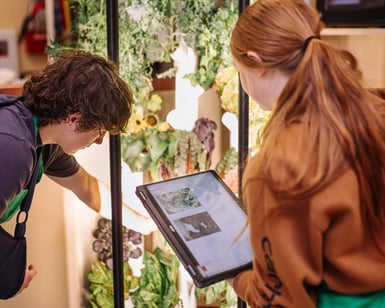
AI-powered growing assistants can now help educators by:
- Sending maintenance reminders
- Monitoring plant health
- Tracking growth trends
- Guiding nutrient schedules
- Recommending harvest timing
- Supporting first-time growers
Rather than requiring educators to become hydroponic experts, intelligent systems reduce uncertainty and increase confidence. This is especially valuable in schools where multiple teachers share responsibility for the garden.
Create Shared Ownership Across the School
The strongest school garden programs belong to everyone—not just one classroom.
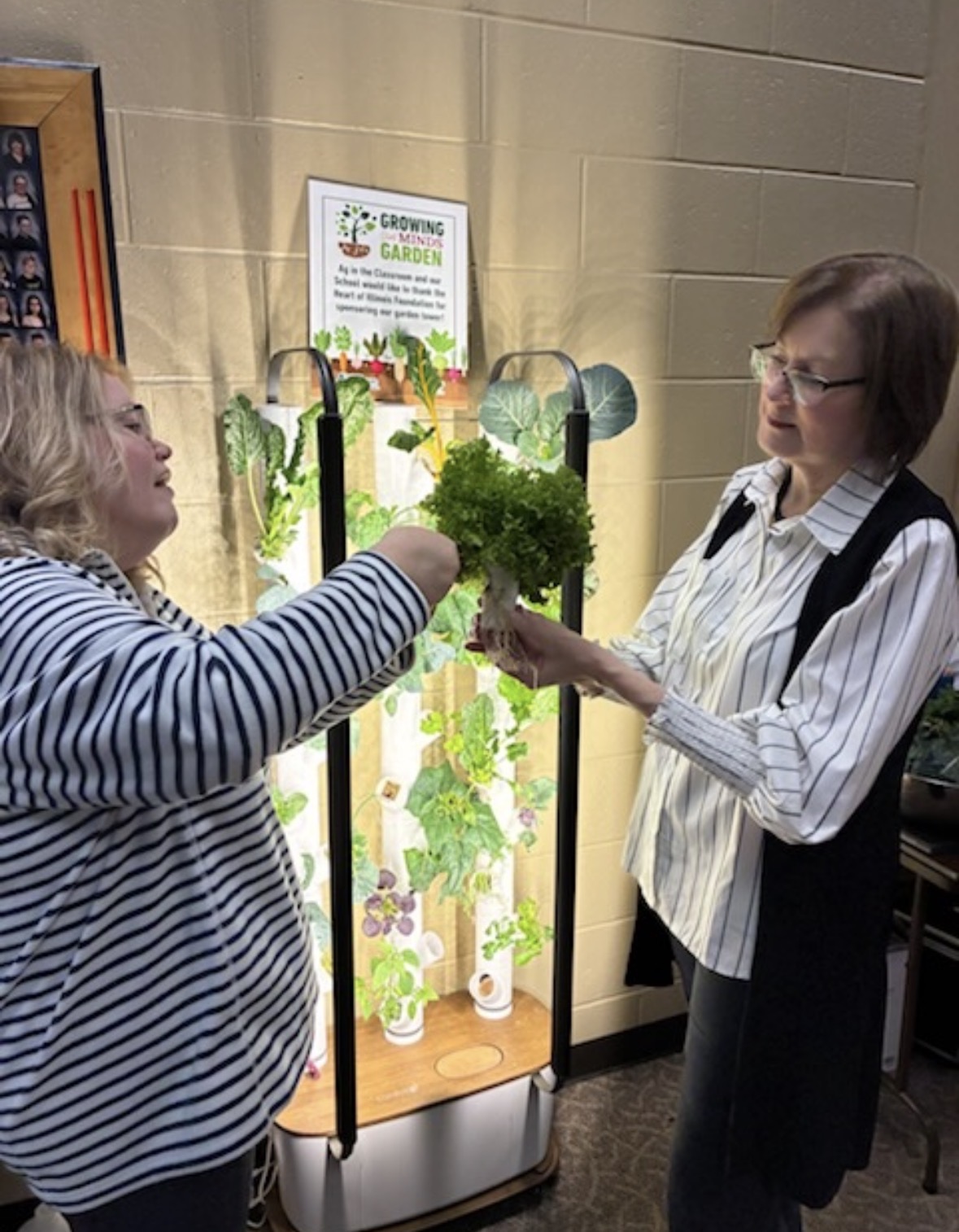
Consider involving:
- Science teachers
- Agriculture programs
- Culinary arts
- Career and Technical Education (CTE)
- Special education classrooms
- Student leadership organizations
- After-school clubs
- School nutrition staff
Shared ownership spreads maintenance responsibilities while creating more opportunities for interdisciplinary learning. When multiple departments benefit from the garden, programs become far more sustainable.
Simplify Hydroponic System Maintenance
Consistent hydroponic system maintenance doesn't need to be complicated.
A simple monthly checklist can keep gardens performing at their best:
- Inspect roots and columns
- Refresh water tanks to minimize nutrient buildup
- Refill nutrients as recommended
- Replace harvested plants
- Check lighting schedules
- Review student data collection
- Plan upcoming harvests
Many modern systems automate much of this work, allowing educators to focus more on teaching than troubleshooting.
Plan for Summer and School Breaks
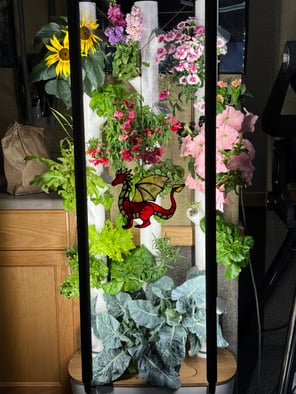
One of the biggest questions educators ask is: "What happens when students leave?"
Successful schools develop a break plan before the school year begins.
Options include:
- Summer enrichment programs
- Custodial or facilities support
- Student garden ambassadors
- Community volunteers
- AI-supported vacation modes that reduce maintenance needs
Planning ahead prevents gardens from becoming another item on an already busy back-to-school checklist.
Measuring Success Beyond Plant Growth
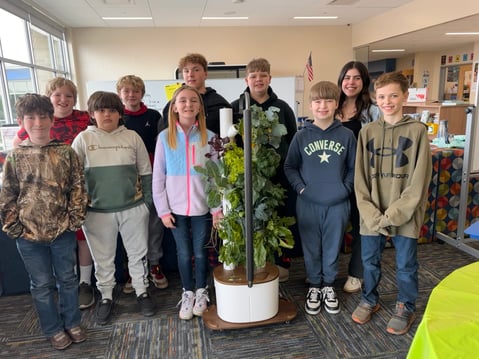
Healthy plants are only one measure of a successful school hydroponic program. Schools should also consider:
- Student engagement
- STEM skill development
- Cross-curricular participation
- Produce harvested
- Nutrition education opportunities
- Student leadership experiences
- Teacher confidence using the system
When gardens become integrated into everyday instruction, they support far more than agriculture—they become leaders in inquiry, collaboration, and real-world problem solving.
Growing More Than Plants
The best indoor hydroponic gardens for schools aren't simply growing lettuce - they're helping students think like scientists, engineers, chefs, and environmental stewards. They're giving educators new ways to connect abstract concepts to authentic experiences while making STEM, nutrition, AI, and sustainability tangible. In short, these systems cultivate curiosity.
With today's automated systems, AI-powered support, and curriculum-aligned resources, managing a school hydroponic garden is more achievable than ever.
When schools choose technology designed for education—not just home gardening—they create programs that can flourish for years to come, inspiring every new class of students who walk through the door.
At Gardyn for Schools, we believe every student should have the opportunity to experience the excitement of growing food while building real-world STEM, nutrition, and career skills. Our AI-powered indoor hydroponic gardens combine automated growing technology, curriculum-aligned resources, and educator support to make year-round classroom gardening simple, engaging, and sustainable.
Whether you're looking to enhance STEM instruction, expand culinary and nutrition programs, or create an interdisciplinary learning experience, we'll help you find the right solution for your school or district.
Ready to get growing? Request a custom quote today, and our education specialists will help you design the ideal Gardyn for Schools solution based on your goals, budget, and learning environment.